
Building muscle is not only about lifting weights. Your body also needs enough energy, protein, carbohydrates, fats, vitamins, and minerals to support training and recovery. Choosing the best foods for muscle gain can make it easier to meet those needs without relying on extreme diets or complicated meal plans.
There is no single “magic” food that builds muscle by itself. Instead, muscle growth is supported by a consistent combination of resistance training, adequate nutrition, enough protein, sufficient calories, and recovery. For beginners, the best approach is usually to build meals around nutritious foods that fit your budget, preferences, digestion, and lifestyle. The Best Foods for Muscle Gain are simply nutritious choices that make it easier to meet your daily protein and energy needs.
If you have food allergies, a medical condition, or specific dietary requirements, consult a qualified healthcare or nutrition professional before making significant changes to your diet.
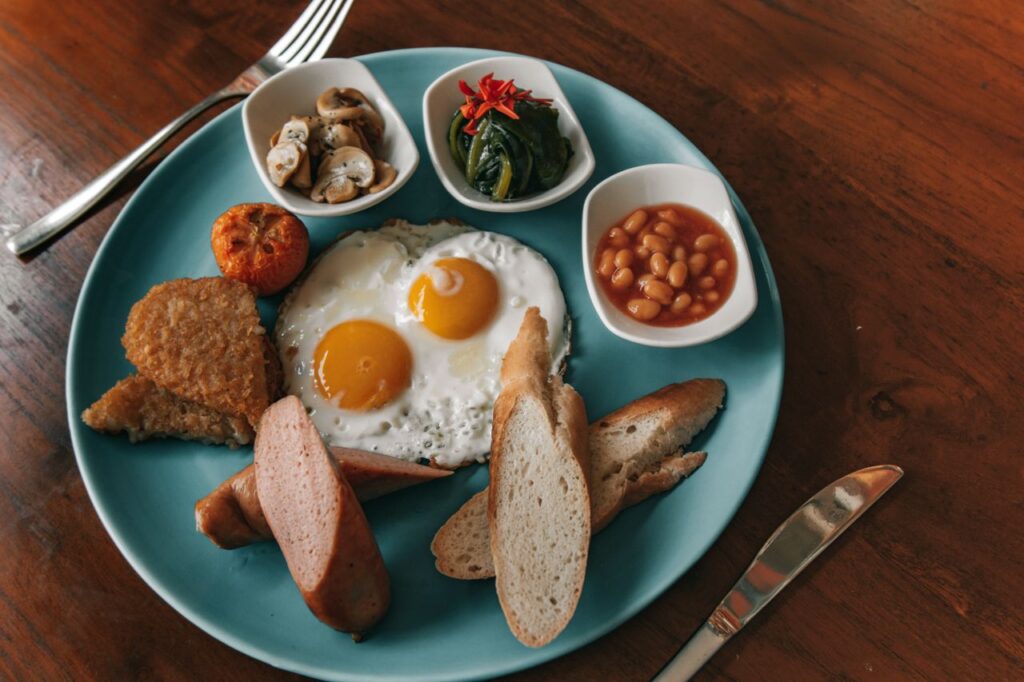
What Makes a Food Good for Muscle Gain?
The best foods for muscle gain are not necessarily the foods with the highest protein content. A useful muscle-building food should help you meet one or more important nutritional needs while being practical enough to eat consistently.
Look for foods that provide:
- Protein: supplies amino acids needed for muscle protein synthesis.
- Carbohydrates: provide energy for training and help replenish glycogen.
- Healthy fats: provide concentrated energy and essential fatty acids.
- Micronutrients: vitamins and minerals support normal body functions.
- Calories: help you meet your overall energy needs.
- Convenience and affordability: make a muscle-building diet easier to maintain.
Protein is particularly important because resistance training increases the need for amino acids to repair and build muscle tissue. For this reason, many of the Best Foods for Muscle Gain are protein-rich foods that can be included regularly in everyday meals. However, carbohydrates and fats also have a place in a balanced muscle-building diet.
The goal is not to find one perfect food. It is to create a diet made up of different muscle-building foods that work together. This is what makes the Best Foods for Muscle Gain different from foods marketed as quick fixes or miracle muscle-building solutions.
Protein: The Foundation of Muscle Growth
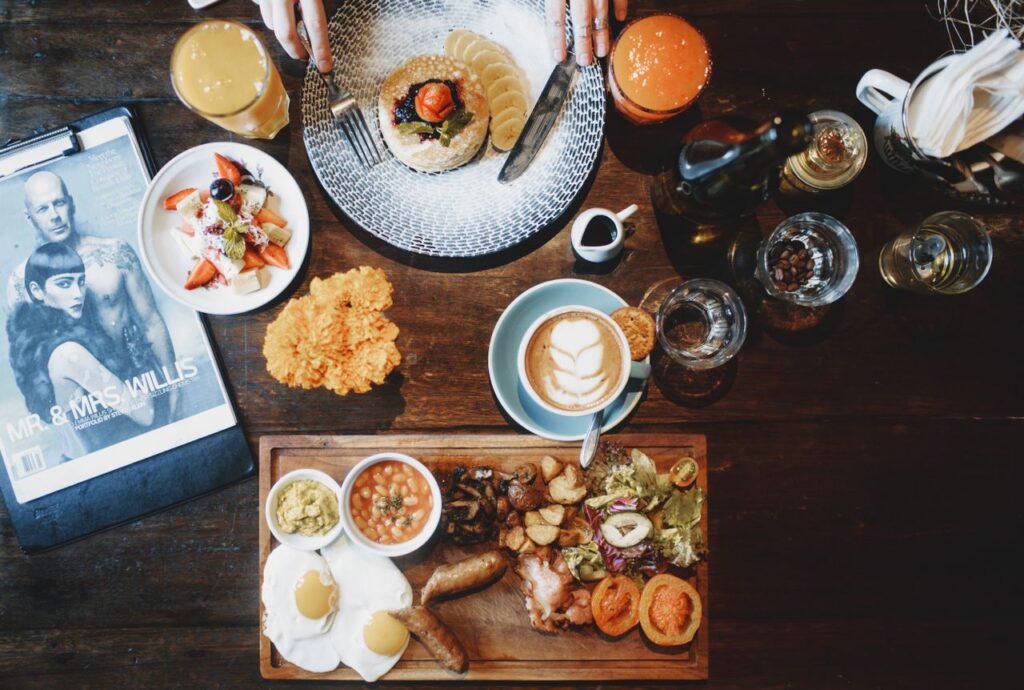
Protein provides amino acids, which your body uses to build and repair tissues. Some amino acids are essential because your body cannot produce enough of them on its own.
High-quality protein sources can provide all or most of the essential amino acids needed to support muscle protein synthesis. Animal foods such as eggs, dairy, meat, and fish are generally complete proteins. Many plant foods can also contribute significantly to protein intake, particularly when you eat a variety of sources throughout the day.
For people who exercise regularly, a commonly used evidence-based range for daily protein intake is roughly 1.4–2.0 grams of protein per kilogram of body weight per day, although individual needs vary. Beginners do not need to obsess over hitting one exact number.
It can also be useful to spread protein across several meals rather than consuming almost all of it in one sitting. Breakfast, lunch, dinner, and one or two snacks can each contribute meaningful amounts.
This is why the best foods for muscle gain should include reliable protein sources that you actually enjoy eating. Choosing the Best Foods for Muscle Gain also means choosing protein sources that are convenient enough to eat consistently.
Best High-Protein Foods for Muscle Gain
Animal-Based Protein Foods
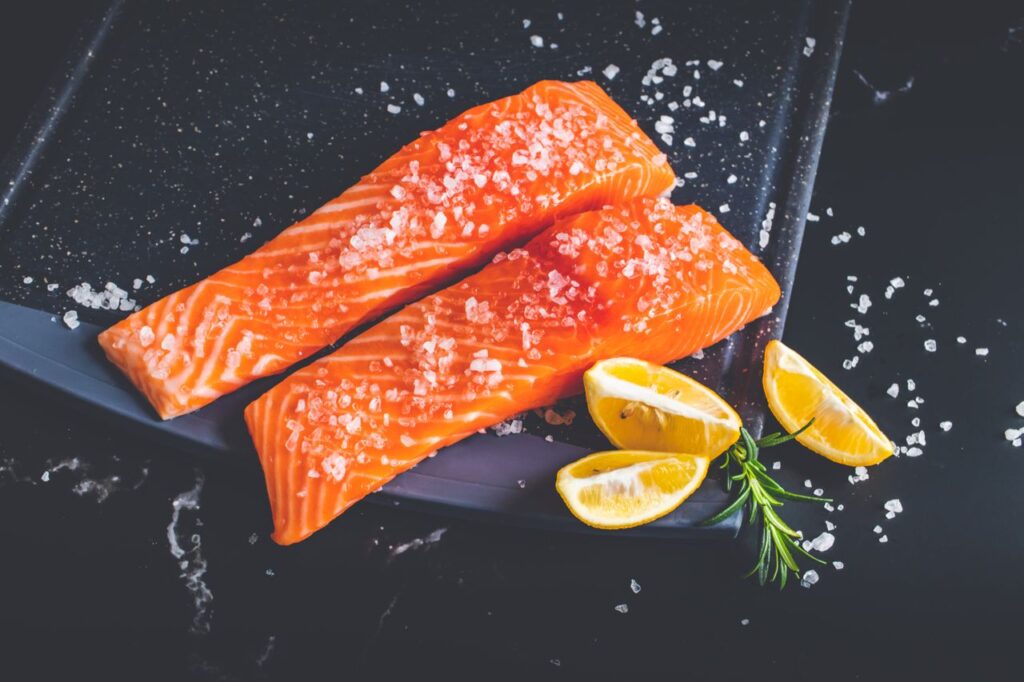
Animal-based foods can be convenient because many provide substantial amounts of high-quality protein in a relatively small serving. Several Best Foods for Muscle Gain come from this category because they provide a convenient combination of protein and important nutrients.
| Food | Rough protein | Practical use |
|---|---|---|
| Eggs | ~6 g per large egg | Breakfast, sandwiches, rice bowls |
| Chicken breast | ~30 g per 100 g cooked | Rice bowls, wraps, salads |
| Turkey | ~29 g per 100 g cooked | Sandwiches, wraps, meals |
| Lean beef | ~25–30 g per 100 g cooked | Rice bowls, pasta, stir-fries |
| Salmon | ~22–25 g per 100 g cooked | Rice, potatoes, vegetables |
| Tuna | ~25 g per 100 g | Sandwiches, salads, wraps |
| Greek yogurt | ~9–10 g per 100 g | Breakfast or snack |
| Cottage cheese | ~11–13 g per 100 g | Snack, toast, bowls |
| Paneer | ~18–20 g per 100 g | Curries, wraps, rice meals |
| Milk | ~8 g per 250 ml | Smoothies, oats, meals |
Protein values are approximate and vary by brand, preparation, and product.
Eggs are versatile, affordable, and easy to combine with carbohydrate foods such as toast, oats, potatoes, or rice.
Chicken and turkey are useful lean protein sources for people who want an easy foundation for lunch or dinner. They work particularly well with rice, potatoes, pasta, or whole grains.
Lean beef provides protein along with nutrients such as iron and vitamin B12. It can be used in homemade burgers, pasta dishes, rice bowls, or stir-fries.
Fish, including salmon and tuna, provides protein, while fatty fish such as salmon also provides omega-3 fats.
Greek yogurt, cottage cheese, paneer, and milk are convenient dairy options. They can be used in breakfast bowls, smoothies, snacks, curries, or simple meals.
Plant-Based Protein Foods
You do not need to eat meat to build muscle. Many Best Foods for Muscle Gain are plant-based, making it possible to build balanced meals without relying on meat. A well-planned vegetarian or plant-based diet can provide plenty of protein by including a variety of foods.
Useful plant-based options include:
- Lentils: excellent for dals, soups, and rice meals.
- Beans: useful in curries, burritos, salads, and bowls.
- Chickpeas: work well in curries, salads, wraps, and hummus.
- Tofu: versatile and easy to stir-fry, bake, or add to curries.
- Tempeh: a protein-rich fermented soy food that works well in stir-fries.
- Edamame: useful as a snack or addition to rice and noodle dishes.
- Peas: easy to add to rice, pasta, soups, and curries.
- Nuts and seeds: provide protein along with fats and calories.
Soy foods such as tofu, tempeh, and edamame are particularly useful because soy provides a high-quality plant protein. Other plant proteins can be combined across the day to provide a broader amino acid profile.
For example, rice with lentils, beans with whole-grain bread, or chickpeas with grains can form practical combinations.
If you follow a plant-based diet, paying attention to total protein intake and eating a variety of protein sources becomes especially useful. With variety and adequate portions, these foods can form an important part of the Best Foods for Muscle Gain on a plant-based diet.
Best Carbohydrate Foods for Muscle Gain
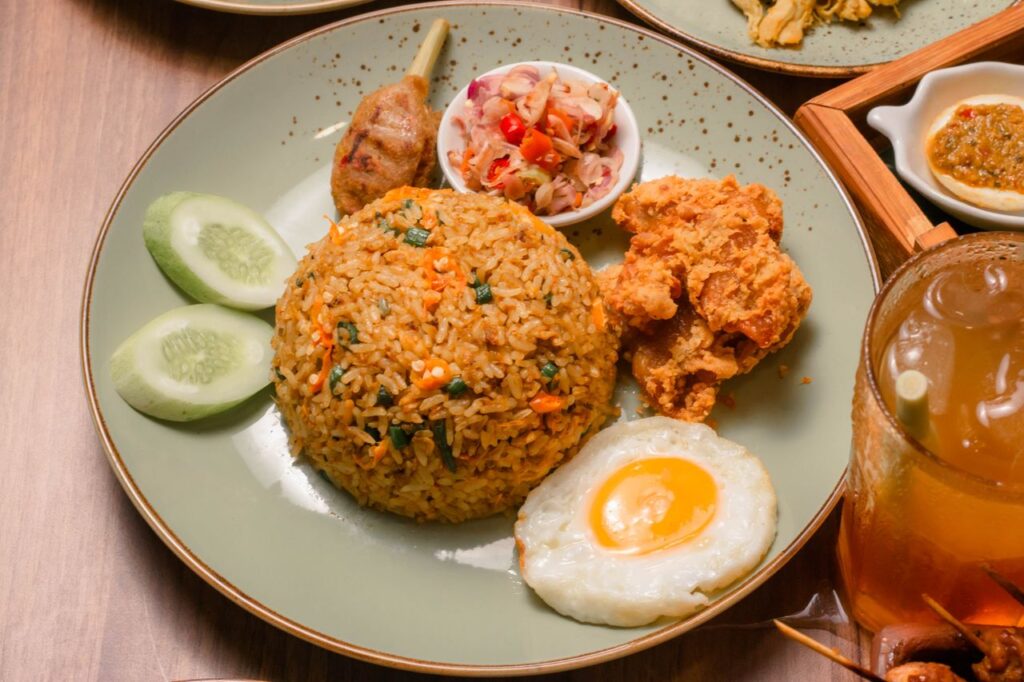
Carbohydrates are often misunderstood. They are not automatically “bad,” and avoiding them is not necessary for building muscle.
Carbohydrates provide energy that can support resistance training and other physical activity. Some of the Best Foods for Muscle Gain are therefore carbohydrate-rich staples that help you fuel demanding training sessions. They can also make it easier to consume enough calories when your goal is to gain muscle.
Some useful carbohydrate choices include:
- Rice
- Oats
- Potatoes
- Sweet potatoes
- Whole grains
- Whole-grain bread
- Pasta
- Bananas and other fruits
Rice is particularly practical because it is inexpensive, easy to prepare, and pairs with almost every protein source. Oats can provide an easy breakfast when combined with milk or yogurt, fruit, nuts, or seeds.
Potatoes and sweet potatoes can be used with eggs, chicken, fish, paneer, tofu, or beans. Whole-grain bread and pasta can also make convenient meals when combined with a protein source.
Fruit is another useful carbohydrate source because it provides carbohydrates along with vitamins, minerals, fiber, and other beneficial compounds.
The best foods for muscle gain do not need to be extremely low in carbohydrates. Instead, choose carbohydrate sources that help you train well and make your overall diet easier to maintain. Including the Best Foods for Muscle Gain from both protein and carbohydrate groups can make meals more balanced and practical.
Healthy Fat Foods for Muscle Gain
Dietary fat is another important part of a balanced diet. Completely eliminating fat can make it harder to meet your nutritional needs and can reduce meal variety.
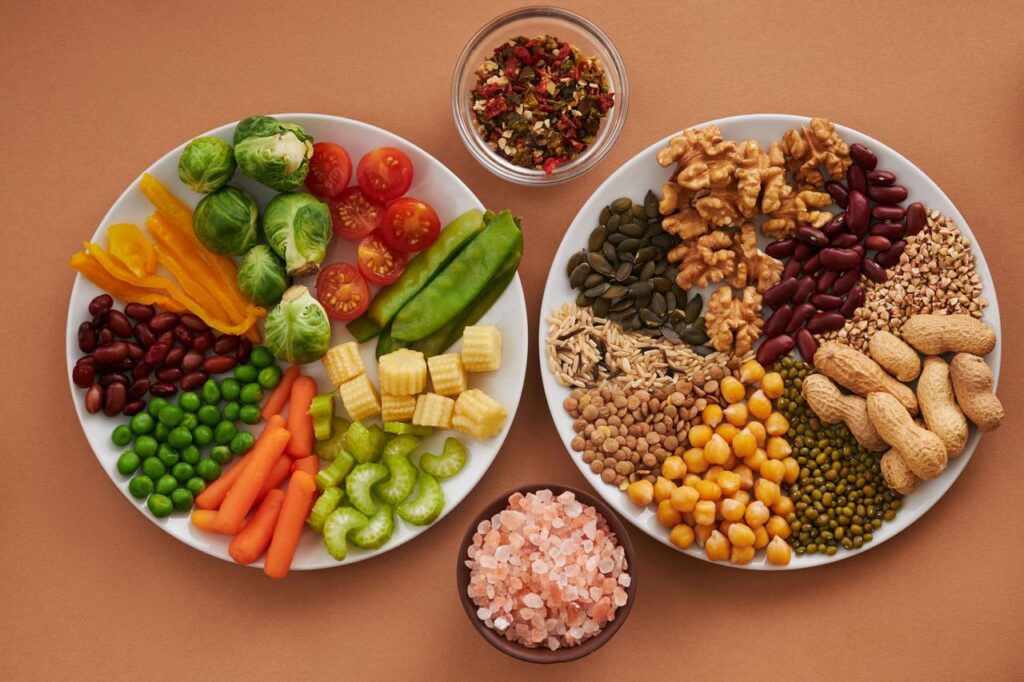
Good options include: Some of the Best Foods for Muscle Gain also provide healthy fats and extra calories that can make a balanced diet easier to maintain.
- Nuts
- Seeds
- Peanut butter and other nut butters
- Avocado
- Olive oil
- Fatty fish such as salmon
Fat provides concentrated calories, which can be useful when someone struggles to eat enough food while trying to gain muscle.
However, more fat is not automatically better. Because fat is calorie-dense, moderate portions can help you add energy without making meals unnecessarily large.
Rather than focusing on exaggerated claims about specific fats and hormones, think of healthy fats as one component of a balanced diet.
Best Foods for a Calorie Surplus and Lean Muscle Gain
Muscle growth requires more than protein. If you consistently eat too little energy, gaining muscle can become more difficult.
A calorie surplus means consuming more energy than your body uses. For muscle gain, a modest surplus is generally more practical than deliberately overeating large amounts of food.
Useful calorie-dense foods include: These options can be especially useful when choosing the Best Foods for Muscle Gain for someone who struggles to eat enough total food.
- Peanut butter
- Nuts and seeds
- Olive oil
- Avocado
- Whole milk
- Rice
- Oats
- Dried fruit
A useful meal might combine rice, chicken, vegetables, and a small amount of olive oil. Another could combine oats, milk, banana, peanut butter, and Greek yogurt.
“Lean muscle gain” does not mean gaining absolutely no body fat. Some changes in body weight and body composition are normal during a muscle-building phase. The goal is to support muscle growth without turning the diet into uncontrolled overeating.
Best Foods Before and After a Workout
You do not need a complicated nutrition schedule around your beginner workout. Meal timing can be useful, but your overall daily diet matters more. The Best Foods for Muscle Gain can be used before and after training without relying on complicated timing rules.
Before a Workout
A pre-workout meal or snack can combine carbohydrates with some protein.
Examples include:
- Oats with milk and banana
- Greek yogurt with fruit
- Rice with eggs
- Toast with eggs
- Banana with yogurt
- A chicken and rice meal if you have enough time to digest it
If you are eating close to training, choose foods that are comfortable for your digestion and avoid unnecessarily large or heavy meals.
After a Workout
After training, a meal containing protein and carbohydrates is a practical choice.
Examples include:
- Chicken, rice, and vegetables
- Eggs with potatoes and fruit
- Paneer with rice and vegetables
- Lentils with rice and yogurt
- Tofu with noodles and vegetables
- Greek yogurt with oats and fruit
There is no need to panic about a tiny post-workout “anabolic window.” Getting adequate protein and calories consistently throughout the day is more important.
Budget-Friendly and Convenient Muscle-Building Foods
The best foods for muscle gain are not always expensive foods. In fact, many affordable staples can form the foundation of an effective muscle-building diet. Some of the Best Foods for Muscle Gain are also among the simplest and most affordable foods available.
Low-Cost Options
Consider building your grocery list around:
- Eggs
- Milk
- Lentils
- Beans
- Chickpeas
- Rice
- Oats
- Potatoes
- Peanut butter
- Seasonal fruits and vegetables
Buy foods based on what is affordable and easily available where you live. Frozen vegetables, dried beans, bulk grains, and seasonal produce can sometimes reduce costs.
Convenience also matters. A theoretically perfect diet is not useful if you cannot prepare it consistently.
Choose foods according to:
Budget → Taste → Digestion → Availability → Convenience
If you enjoy the foods you eat and can prepare them regularly, you are much more likely to stay consistent.
Best Foods for Different Diet Preferences
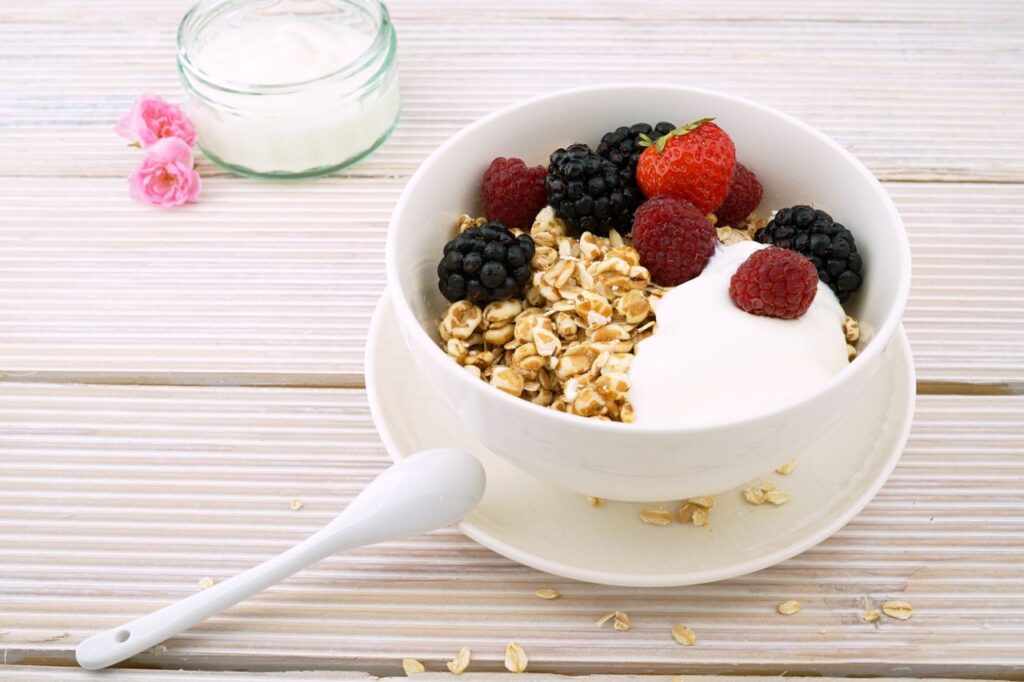
Omnivore
An omnivore can combine eggs, chicken, fish, lean meat, dairy, grains, fruits, vegetables, legumes, nuts, and seeds.
A simple plate might contain chicken, rice, vegetables, and a little olive oil.
Vegetarian
Vegetarians can use eggs and dairy if included in their diet, along with lentils, beans, chickpeas, tofu, paneer, Greek yogurt, milk, nuts, and seeds.
A paneer and rice meal or lentil dal with rice and yogurt can provide a practical combination of protein and carbohydrates.
Plant-Based
Plant-based eaters can build meals around tofu, tempeh, edamame, lentils, beans, chickpeas, peas, nuts, seeds, whole grains, and other plant foods.
There is no single diet pattern that is automatically superior for muscle growth. The Best Foods for Muscle Gain can therefore look different from one person to another depending on dietary preferences and available foods. The best approach is the one that can provide adequate nutrition while fitting your preferences and lifestyle.
How to Build a Muscle-Gain Meal
Instead of memorizing dozens of recipes, use a simple three-part structure. The Best Foods for Muscle Gain become much easier to use when you combine protein, carbohydrates, healthy fats, and produce into complete meals.
Step 1: Choose a Protein
Pick one main protein source:
- Eggs
- Chicken
- Fish
- Greek yogurt
- Paneer
- Tofu
- Lentils
- Beans
- Tempeh
Step 2: Add a Carbohydrate
Choose a carbohydrate source that fits the meal:
- Rice
- Potatoes
- Oats
- Pasta
- Whole-grain bread
- Fruit
Step 3: Add Healthy Fats and Produce
Include a moderate amount of healthy fat and some fruit or vegetables.
For example:
| Meal idea | Protein | Carbohydrate | Fat/produce |
|---|---|---|---|
| Chicken rice bowl | Chicken | Rice | Vegetables + olive oil |
| Breakfast bowl | Greek yogurt | Oats + banana | Nuts |
| Vegetarian meal | Paneer | Rice | Vegetables |
| Plant-based bowl | Tofu | Rice | Avocado + vegetables |
| Simple dinner | Eggs | Potatoes | Vegetables |
Sample Muscle-Gain Meal Day
Breakfast: Oats cooked with milk, banana, Greek yogurt, and peanut butter.
Lunch: Chicken or tofu with rice, vegetables, and a small amount of olive oil.
Pre-workout: Banana and Greek yogurt, or toast with eggs.
Post-workout: Rice with lentils, paneer, chicken, or tofu and vegetables.
Dinner: Potatoes or whole-grain pasta with fish, eggs, paneer, or beans and vegetables.
Optional snack: Milk, cottage cheese, yogurt, fruit, nuts, or a simple peanut butter sandwich.
This is a structure example, not a personalized diet plan. Portion sizes should depend on your body size, appetite, activity, goals, and overall diet.
For sustainability, prepare a few staple foods in advance, rotate protein sources, use seasonal ingredients, and leave room for foods you enjoy.
Common Food Mistakes to Avoid
Many beginners make muscle-building diets more complicated than necessary.
Not Eating Enough
Training hard while consistently under-eating can make muscle gain difficult.
Eating Too Little Protein
A diet based mostly on carbohydrates or vegetables may not provide enough protein. Include a protein source in most main meals.
Avoiding Carbohydrates
Carbohydrates can support training performance and make it easier to consume enough energy. They do not need to be eliminated.
Avoiding Dietary Fat
Fat has an important place in a balanced diet. Use reasonable portions of nuts, seeds, nut butter, avocado, olive oil, and fatty fish.
Relying Heavily on Processed Foods
Processed foods do not need to be completely banned, but they should not replace most of the nutritious foods in your diet.
Ignoring Fruits and Vegetables
Muscle building is not only about protein. Fruits and vegetables provide fiber, vitamins, minerals, and other nutrients.
Expecting One Food to Build Muscle
No single food can compensate for an inadequate overall diet and training routine. The best foods for muscle gain work as part of a consistent eating pattern.
There is also no need to create a strict “good food versus bad food” mindset. A sustainable diet can include foods you enjoy while still being nutritionally balanced.
Supplements: What Beginners Should Know
Supplements can sometimes be useful, but they should not replace a nutritious diet based on whole and minimally processed foods. If you are considering supplements for beginner muscle gain, they can be explored after improving your overall diet. For general information on exercise and performance supplements, the NIH Office of Dietary Supplements provides evidence-based guidance.
Beginner FAQ About the Best Foods for Muscle Gain
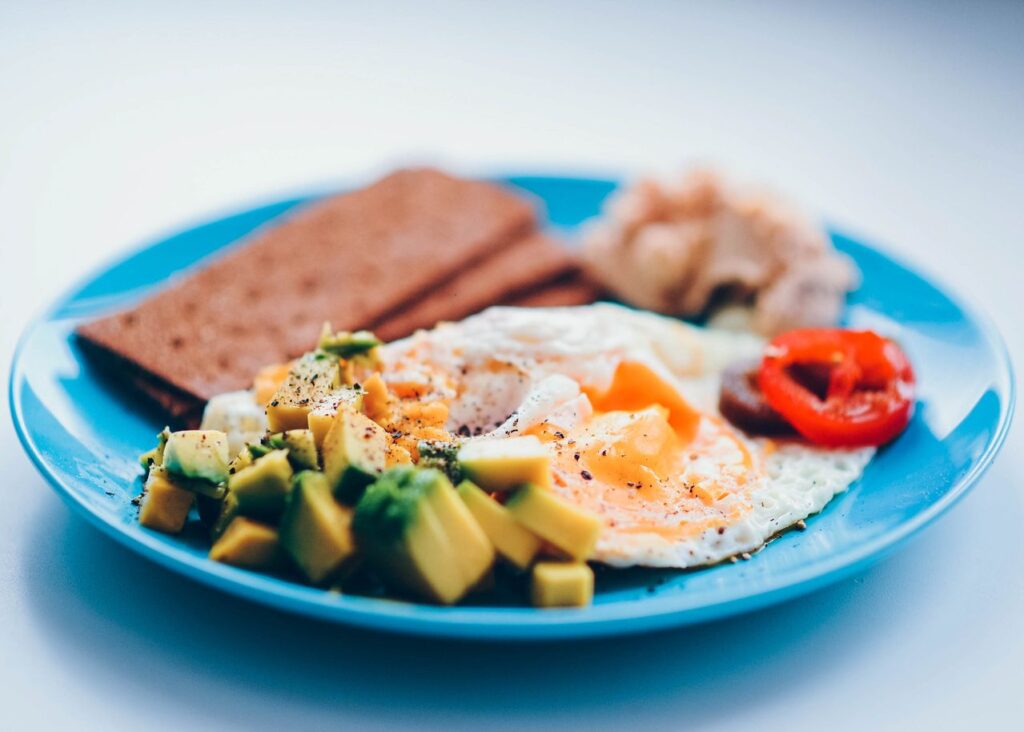
What are the best foods for muscle gain?
The best foods for muscle gain include protein-rich foods such as eggs, chicken, fish, Greek yogurt, paneer, lentils, beans, tofu, and tempeh, combined with carbohydrate and healthy-fat sources. Variety and overall nutrition matter more than any single food.
How much protein do I need to build muscle?
A commonly used range for people who exercise regularly is roughly 1.4–2.0 grams of protein per kilogram of body weight per day. Individual needs vary, so this should be treated as general guidance rather than a universal target.
Are eggs good for muscle gain?
Yes. Eggs are a convenient source of high-quality protein and can easily be combined with carbohydrates and vegetables to create balanced meals.
Is rice good for muscle gain?
Yes. Rice is a useful carbohydrate source that can provide energy for training and pairs easily with protein foods such as chicken, eggs, fish, paneer, tofu, and beans.
What are the best vegetarian foods for muscle gain?
Useful vegetarian choices include paneer, Greek yogurt, milk, eggs if included, lentils, beans, chickpeas, tofu, tempeh, peas, nuts, and seeds.
What are cheap foods for muscle gain?
Affordable options can include eggs, lentils, beans, chickpeas, rice, oats, potatoes, milk, peanut butter, and seasonal fruits and vegetables. Prices vary by location, so choose foods that fit your local budget.
Can I build muscle without supplements?
Yes. Supplements are not required to build muscle. A well-planned diet can provide the protein, carbohydrates, fats, and calories needed to support muscle growth.
What should I eat before and after a workout?
Before training, a combination of carbohydrates and some protein can be useful, such as oats with yogurt and fruit. After training, a balanced meal containing protein and carbohydrates is a practical option.
Conclusion: Build Your Diet Around Consistency
The best foods for muscle gain are not exotic foods or expensive products. They are nutritious foods that help you consistently meet your protein, calorie, carbohydrate, fat, and micronutrient needs.
Build your meals around a reliable protein source, add carbohydrates to support training, include healthy fats in sensible portions, and eat a variety of fruits and vegetables. Using the Best Foods for Muscle Gain in this simple structure can make your nutrition more consistent without making your diet unnecessarily complicated. Then adjust your food choices according to your budget, dietary preference, taste, digestion, and schedule.
Food works together with resistance training. Nutrition works best when it supports a consistent training routine, adequate recovery, and a structured approach to muscle growth.
Consistency matters more than finding a perfect food. Choose muscle-building foods you can realistically eat week after week, and build your overall routine around sustainable habits rather than extreme rules.